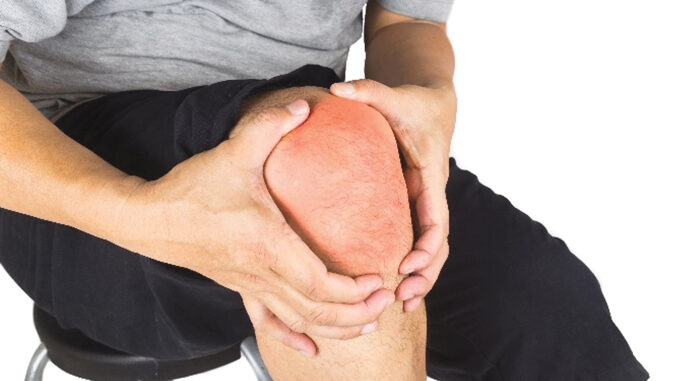
Pain and injury are common experiences for people of all ages, whether they result from sports, daily activities, accidents, or repetitive strain. From a chiropractic perspective, managing inflammation and supporting the body’s natural healing processes are essential parts of recovery. One of the simplest and most widely used tools for pain management is the application of ice. When used appropriately, ice can be an effective and natural method to help reduce discomfort and support healing.

Ice therapy, also known as cryotherapy, works primarily by reducing blood flow to an injured area. When tissues are damaged during a sprain, strain, or minor trauma the body responds with inflammation. This process is part of normal healing, but excessive inflammation can increase pain, swelling, and limited movement. Applying ice causes blood vessels to constrict, which helps limit swelling and reduces the buildup of inflammatory fluids in the injured tissue.
Controlling inflammation is important because excessive swelling can interfere with normal joint mechanics and muscle function. When inflammation is reduced, the surrounding muscles and joints often move more freely, allowing the body to regain normal movement patterns more quickly. This is particularly helpful in the early stages of musculoskeletal injuries, including ligament sprains, muscle strains, and joint irritation.
Ice also has a numbing effect on nerve endings in the skin and underlying tissues. This temporary reduction in nerve activity can decrease the sensation of pain, providing short-term relief without medication. For patients experiencing acute discomfort, like after a sudden injury, ice can help make the recovery process more comfortable.
Chiropractors commonly recommend ice during the first 24 to 48 hours following an acute injury. During this time, inflammation tends to be at its highest. Applying ice for about 15-20 minutes at a time can help manage swelling while preventing skin irritation or frostbite. A cloth or towel should always be placed between the ice pack and the skin to protect the skin tissue.
In addition to acute injuries, ice may also be beneficial after physical activity that stresses joints or muscles. Athletes and physically active individuals often use ice to calm irritated tissues after workouts, competitions, or long periods of repetitive movement. By limiting post-activity inflammation, ice can support faster recovery and help maintain mobility.
However, chiropractors also emphasize that ice is only one part of a broader recovery strategy. While it can help reduce pain and inflammation, it does not correct underlying mechanical issues such as joint misalignment, restricted movement, or muscle imbalance. Chiropractic care focuses on restoring proper spinal and joint function, improving mobility, and supporting the body’s natural healing abilities through adjustments, movement guidance, and lifestyle recommendations.
Patients should also understand that not every condition benefits from ice. Chronic stiffness or long-term muscle tension may respond better to heat, which increases blood flow and relaxes tight tissues. Determining when to use ice versus heat often depends on whether pain and inflammation or general stiffness is the primary issue. If you have pain think of using ice first. If you primarily have chronic stiffness, think of using heat first.
Ultimately, ice remains a simple, accessible, and effective tool for managing pain and injury in the early stages of healing. When combined with proper chiropractic care, rest, and gradual return to activity, it can play a valuable role in helping the body recover safely and efficiently.
-by Brandon Crouch, DC
About the Author: Dr. Brandon Crouch is a Chiropractor with Crouch Family Chiropractic. He is an advocate for being proactive when it comes to your health and encourages people to make healthy informed decisions. For more information you can go online at: www.crouchfamilychiro.com.