May kicks off “Ashley Birthday Season” in our household, with all six of our family’s birthdays occurring during a four-month period. This month always makes me think of babies and how many hopes and dreams we all have for our children. This is in my mind even more so because I have a friend who is expecting a child. She wants to give her child the best of everything, including the best smile and healthiest teeth. We’ve talked about how it is entirely possible to raise a child now who will never have any cavities and who will enjoy their own old age in the NEXT century, chewing and smiling with all their perfect teeth intact.
Thinking about all the aspects of raising a child can be overwhelming. But you can break it down into some simple steps. Focusing on oral hygiene, there are five things every parent can do to greatly decrease their child’s risk of future cavities and ensure they have the best chance for beautiful teeth.
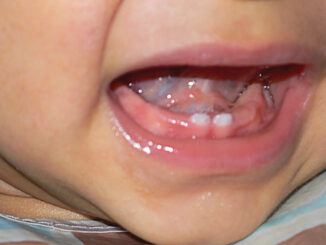
- Baby Teeth Matter – From the very first tooth, baby teeth are important. Get your infant used to brushing early by using a finger cloth brush or nubby silicone brush. Once your baby has their first tooth, switch to a soft infant brush with bristles and gently brush the teeth and gums every day. Your child’s dentist can give you recommendations on using safe-to-swallow infant toothpaste or if you should use fluoride-containing toothpaste. The recommended amount of toothpaste is just a smear (just enough to see it on the brush) for children under two years old. The correct amount for kids over two years old is a “pea-size” amount of toothpaste.
- Brush twice a day but think outside the box – As a busy mom of four kids, I know it is difficult to get all 80 of my kids’ teeth brushed every morning and every night. That’s 160 teeth a day to brush! There are some mornings when we just miss out on brushing in order to avoid the “tardy” at school. But we make up for it when the kids come home from school. The backpacks come off and the teeth get brushed. The same goes for the location of the brushing activities. I gave up a long time ago trying to brush everyone’s teeth at the sink. Now I just bring the brushing to the kids. Some nights, I have chased all four kids around with four toothbrushes in my hands, but we get the job done each and every night.
- First dental visit by the first birthday – The American Academy of Pediatric Dentistry and the American Academy of Pediatricians both recommend the first dental visit by age one. This is the best time to assess your child’s teeth, learn about their risk factors for cavities and put into action a tailored cavity-prevention plan. It’s also great to get your child established as a “patient of record” so you have a number to call and personalized help if your child has any dental trauma like a fall, chipped tooth, cut gums or frenum tear.
- Nothing to Sleep Except Water – Juice, soda and even milk WILL cause cavities when given to a baby at night. It is just a matter of time. The sugars in juice, soda and milk feed bacteria in your baby’s mouth. The bacteria produce acid and this eats away at the tooth enamel. Early on in this process, the front teeth may look really white and chalky, especially up at the gum-line. As the erosion continues, the back and front of the teeth may turn yellow as the eroded white enamel chips off and falls away. This exposes holes or “cavities” in the front teeth. It is so common with kids that fall asleep with milk in the mouth that it used to be caused “Nursing Caries.” But then dentists saw it happened to babies put to bed with a bottle of juice, soda, milk, or formula and the name was changed to “Early Childhood Caries.” The only safe thing to put in the bottle is water. If you breastfeed your child to sleep, you can gently brush the teeth after your baby is asleep. Your child’s dentist can give you more specific suggestions based upon your child’s specific risk for cavities.
- Frequent Sipping and Snacking Causes More Cavities – Bacteria in the mouth love sugar. Every time your child eats, there is a decrease in the pH in the mouth because these bacteria produce acid. The more acidic your child’s mouth is, the more likely the tooth enamel is to erode. If your child is snacking and sipping on juice or milk throughout the day, their mouths are going to be more acidic and more likely to have cavities. You can modulate this by changing the type of snacks, reducing the frequency of snacking and changing the juice-sipping to water-sipping throughout the day.
It’s mindboggling to think that a child born ten years ago will see the dawn of 2100 and can smile a bright, beautiful, toothy smile at the 2099 New Year’s Eve party. And all it takes is a few basic oral hygiene steps each and every day now, to set your baby up for a lifetime of healthy smiles!
-by Dr. Mandy Ashley
About Our Dentists: Dr. Mandy Ashley and Dr. Madison Galloway are Board Certified Pediatric Dentists proud to serve the communities of Bowling Green, Hopkinsville, and Glasgow! We look forward to sharing our vision of excellent comprehensive dental care that is fun for children and people with special healthcare needs with your family.