There’s a mix of emotion when your home goes on the market. There’s immense hope – hope that you’ll see a significant return on your investment in real property. But there’s also anxiety – a fear that your home will linger on the market and fail to get a suitable offer.

Our worst fears are rarely realized in real estate. But what if they are? That is, what if your home is the one that just doesn’t sell? In these cases, you have two choices: 1) give up and stay in the home for a few more years, or 2) take a close look and what went wrong and vow to fix it.
If you fall into the latter category, you should know that several common issues can lead to a failure to sell your home. As you evaluate what went wrong, here’s a look at five common reasons why homes don’t sell.
1. Poor Pricing
Poor pricing is an easy No. 1 on the list of reasons why homes don’t sell. Yes, it’s possible to underprice a home and leave money on the table. But it’s far more common to overprice a home and watch it sit on the market with little interest.
What exactly is wrong with overpricing a home? The first issue is that weeks pass and then it’s been a month since it first went up for sale. At that point, buyers and their agents begin to wonder: What’s wrong with this property? And that’s not a good question for prospects to have rattling around in their heads.
Pricing a home is an art form. You want to land on a figure that’s just slightly less than what you want the buyer to eventually pay. Why? This approach to pricing helps draw a large crowd of interested house hunters. A large crowd means more competition and a greater possibility of getting several offers to consider – hopefully offers that are above the asking price.
2. Amateur Photography
Have you ever seen a home listing with dark, blurry photographs clearly taken on a smartphone? These types of photos make properties look dated and unattractive. Which is why a seller should always invest in professional photography.
Think about photography from a competition standpoint, too. About 44 percent of prospective buyers begin their search for a new home online. They are typically looking at page after page of listings, quickly determining whether or not a home deserves a closer look. And what are they basing these snap decisions on? That’s right: photography.
You definitely need a compelling listing, too. But professional photographs are what get your prospects excited about seeing your home in-person – they drive an emotional connection. It’s no stretch to suggest that what you pay for professional photography is worth every penny given how professional photos help sell your home faster and at closer to its peak value.
3. Uninspired Staging
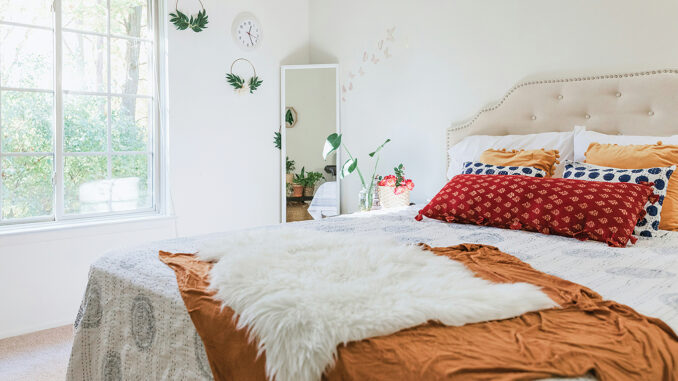
We all think our homes look fabulous. After all, we’ve decorated them and arranged them to match our personal taste and to maximize our comfort and convenience. But you want your home to appeal to the average buyer when it goes on the market, which is why it’s essential to stage it appropriately.
A good real estate agent or a staging professional can provide advice and guidance specific to your home. But, in general, you want to make sure your home is free of clutter (which can make a big home look and feel small), that closets and cabinets are thinned out (to show that your home has plenty of storage), that windows are clean and treatments open (to unleash natural light), and that furniture is balanced (so that rooms look spacious but livable).
There are plenty of other staging tactics that you can put to use. Do as much or as little as will be effective based on what the experts tell you. Just make sure you don’t put your home on the market as-is, because that’s a surefire way to undermine a sale.
4. Bad Offer Selection
Here’s something sellers don’t always realize: Not all offers are created equal. For example, you may put your home on the market for $200,000. You get three offers: one for $200,000, one for $205,000 and one for $215,000. The highest offer is the best offer, right? Not necessarily.
Rather than simply choosing the highest offer, you want to pick the best offer that has the highest likelihood of reaching closing. The highest bidder may not have much money to put down, or your highest bid may be contingent on the buyer selling their current home. In these cases, your buyer is less likely to reach close than someone offering all cash with no contingencies.
This is another case where you should lean on the experience of your real estate agent. The agent’s job is to keep the transaction moving forward toward a successful closing, and a huge part of that is ensuring your buyer is qualified and motivated to reach that closing date.
5. Unqualified Agent
A home is likely the largest investment you’ll ever make. With that in mind, doesn’t it make sense to get the very best representation when it comes time to get a return on that investment? That’s why you need a qualified, experienced agent on your side.
What should you look for in an agent? Look for experience. Look for someone who specializes in your neighborhood and in selling homes like yours. Look for an agent who communicates well and who you feel comfortable having difficult conversations with.
Some sellers choose a friend or family member to serve as their agent. While this might seem like a smart, easy path, it’s not always the best idea. Selling a home can be an emotion-driven process filled with tough conversations and plenty of twists and turns. It’s best to have an agent you can level with – and even replace, if needed. It can be a lot harder to have tough conversations (and to fire) a friend or family member.
Are You Having a Hard Time Selling?
Have you recently failed when trying to sell your home? It happens. You’re not alone, and there are certainly solutions if and when you’re ready to try again. I would welcome the chance to talk to you about the current market, your home, and ideas for how you can succeed in getting the price you want. Contact me anytime at pthessen1@gmail.com.
-submitted by Perry Thessen