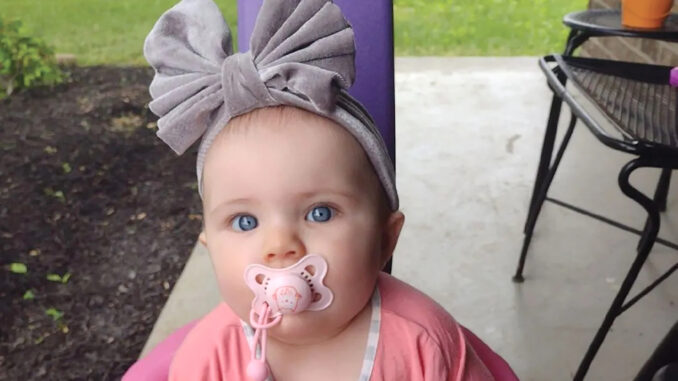
As a mom of four kids and pediatric dentist, I have a love/hate relationship with pacifiers. I loved being able to have a few moments of peace while one of my kids happily sucked away on a pacifier and it definitely came in handy for road trips. But I understood how prolonged pacifier use dramatically alters a child’s facial development. I saw how kids can actually distract their own face and pull the front portion of their upper jaw forward, molding their bite around the pacifier.
How can parents learn about the effects of pacifier use and know if it’s causing any damage to their child’s developing face? The American Academy of Pediatric Dentists (AAPD) recommends the first dental visit by age one. This is a great time to discuss your child’s pacifier use with the dentist. Parents sometimes ask me which is better – pacifier use or thumb/finger sucking. The AAPD answers this parental dilemma by voting for pacifier use instead of thumb or finger sucking for fretful babies. In general, kids usually discontinue a pacifier habit earlier than thumb suckers.
Former AAPD President and Pediatric Dentist Dr. Arthur Nowak sums it up by saying, “Pacifiers have a few rules of thumb, pun intended. The three things to consider are frequency (How often do they suck?); duration (How long do they suck?); and intensity (Can you hear it across the room?). When I am doing a dental exam, I check the way the child’s upper and lower jaws come together when they close their teeth. Children who are frequent, long-duration, intense pacifier users can actually change the shape of their upper jaw. The relatively soft bones of a young child can mold around the shape of the pacifier nipple, creating a higher palate or raised roof of the mouth. The child can also pull the front part of the upper jaw, or pre-maxilla, forward. This gives the child a more protrusive profile and can cause their upper teeth to be more prone to injury during falls.
Ideally, pacifier use should cease by the time the child is two years old. There are many options for parents who are trying to “extinguish” their child’s pacifier habit.
•Cold Turkey – Parents surreptitiously gather up the pacifiers in the dead of night and start the child off the next day with a clean break from all pacifiers in their life. This approach takes commitment, and it is important to have all your potential pacifier-suppliers on board. The cold-turkey approach can fail if the kids go to their grandparents’ house and get access to a fresh paci-supply.
•Paci-Party – Gather up all the pacifiers that exist in your house, car, purse, backyard and anywhere else you can think of. Make a big deal of ceremonially throwing the pacifiers out with the child as a witness. Many dental offices, including ours, will help you celebrate this occasion with extra toys and a special big-girl or big-boy present.
•Magically Shrinking Pacifier – Many two- and three-year-old children love to play pretend and have great imaginations. You can capitalize on this by playing the “Magically Shrinking Paci Game.” You start out by reducing your pacifiers to only one. Show the pacifier to your child and tell them a fantastic story about them growing bigger and their pacifier growing smaller. Then each day you cut away a little from the tip of the pacifier nipple. Each day the pacifier grows “shorter” and harder to hold in the mouth. Eventually, by the end of the week, your child is left with a pacifier stump they can no longer hold in their mouth.
•The Yikky Paci – This is an option for kids who may be motivated by taste or smell. Paint the nipple portion of your child’s pacifier with nail-biting sour polish. The pacifier will taste awful, and this may be a motivator for the child to stop using it. This option often requires diligence and usually requires multiple applications of the sour or bitter polish each day.
Every parent makes choices for their children. Your child’s dentist can help you decide when and how to stop pacifier use. We can work together to give your child the best chance at a lifetime of healthy smiles!
-by Dr. Mandy Ashley
About Our Dentists: Dr. Mandy Ashley and Dr. Madison Galloway are Board Certified Pediatric Dentists proud to serve the communities of Bowling Green, Hopkinsville, and Glasgow! We look forward to sharing our vision of excellent comprehensive dental care that is fun for children and people with special healthcare needs with your family.
SKY Pediatric Dentistry has been providing dental care to children and adults with special needs since 2013. As board-certified specialists in dentistry for children, our team strives to make going to the dentist as fun as possible while maintaining high-quality treatment and preventative measures. We tailor treatment plans to each child and offer a wide range of treatment options, including sedation, in-office general anesthesia, and also hospital-based dentistry. With over 25 YEARS of doctor experience, SKY Pediatric Dentistry is a great choice for children’s dental care in Bowling Green, Hopkinsville, and Glasgow!